Needlecraft is one of the most rewarding creative hobbies you can start today. Whether your goal is embroidery, hand sewing, cross-stitch, or simple fabric repairs, choosing the best needlecraft tools for complete beginners can completely change your learning experience. With the right tools in hand, even your very first stitch can feel smooth, satisfying, and encouraging instead of frustrating.
In this guide, you’ll discover exactly what you need to start needlecraft the right way—from understanding what makes a tool “beginner-friendly” to identifying the essential hand tools that should be part of your first kit. Everything is explained in clear, simple language so you can start with confidence.
In This Article
What Is The Best Needlecraft Tools for Complete Beginners
Needlecraft is a broad term that refers to a group of crafts done using a needle and thread. This includes:
- Embroidery
- Cross-stitch
- Needlepoint
- Basic hand sewing
- Decorative mending
For beginners, the experience can go one of two ways:
- Smooth and enjoyable with the right tools
- Confusing and discouraging with the wrong tools
This is why investing in the best needlecraft tools for complete beginners matters more than most people realize.
Why choosing the right tools matters
Good beginner tools offer:
- Better control over stitches
- Reduced hand fatigue
- Cleaner, more accurate results
- Less thread breakage and fabric damage
In contrast, poor-quality or advanced tools can create unnecessary challenges, such as uneven stitching or constant tangling.
“The right tools don’t make you an expert — they make learning easier and more enjoyable.”
Common problems beginners face without proper tools
- Needles that bend or break easily
- Threads that snap or knot
- Slippery or stretched fabric
- Sore fingers from lack of protection
- Frustration from poor results
By selecting tools specifically designed for beginners, you remove most of these barriers from the start.
What this beginner-focused guide will cover
This article explores:
- What defines the best needlecraft tools for complete beginners
- Essential hand tools you must own
- Beginner-friendly materials and accessories
- Mistakes to avoid
- How to build your first starter kit the smart way
Understanding the Best Needlecraft Tools for Complete Beginners
Not all needlecraft tools are created equal. Some are made for professional detail work, others for speed or complex designs. For beginners, simplicity, comfort, and versatility take priority.
What qualifies as a beginner-friendly needlecraft tool?
The best needlecraft tools for complete beginners typically share these key features:
- Easy to hold and handle
- Clearly labeled sizes
- Durable but affordable
- Multi-purpose for different techniques
- Comfortable for long practice sessions
- Low learning curve
Instead of focusing on fancy features, beginners should look for tools that support skill development naturally.
Beginner vs intermediate vs advanced tools
| Feature | Beginner Tools | Intermediate Tools | Advanced Tools |
| Ease of use | Very easy | Moderate | Complex |
| Price range | Low to medium | Medium | High |
| Best for | Learning basics | Skill-building | Professional results |
| Special functions | Minimal | Some | High precision |
| Recommended for | First 6–12 months | Growing hobbyists | Experts & artisans |
Fact: According to the Craft & Hobby Association, over 62% of beginners quit within the first 3 months because they use the wrong tools or start with overly complex equipment.
This highlights how important it is to start simple and practical.
Safety and comfort: two priorities for new crafters
Because needlecraft involves sharp objects, small tools, and repetitive movements, beginners should focus on:
- Rounded or ball-pointed beginner needles
- Ergonomic handles
- Lightweight scissors
- Finger protection like thimbles
- Tools made from non-slip materials
This reduces accidental injuries and makes your crafting time more enjoyable.
Budget vs quality: what a beginner should expect to spend
Here’s a realistic breakdown of what you might spend on your initial setup:
| Item | Average Cost (USD) |
| Beginner needle set | 5 – 10 |
| Small scissors | 6 – 15 |
| Thimble + threader | 3 – 7 |
| Starter threads | 10 – 20 |
| Beginner fabric | 8 – 15 |
| Total estimated budget | 32 – 67 USD |
You don’t need to overspend. A well-chosen beginner kit in this range can last you for months, even years, of practice and projects.
Best Needlecraft Tools for Complete Beginners: Essential Hand Tools
These are the foundation of every needlecraft project. Without them, you simply can’t start.
Needles: types, sizes, and beginner recommendations
For beginners, choosing the right needle is more important than speed or design.
Recommended needle types for beginners:
- Embroidery needles (sizes 7–9) – Perfect for basic stitching
- Tapestry needles – Ideal for cross-stitch and needlepoint
- Sharps – Great for basic hand sewing
- Ballpoint needles – Gentle on fabric and perfect for beginners
Beginner tip: Start with medium-sized needles because they are easier to see, hold, and control.
Scissors: what kind do beginners really need?
Avoid using kitchen or regular office scissors on fabric. Instead, invest in:
- 4–5 inch embroidery scissors (sharp and precise)
- Spring-loaded scissors for comfort
- Stainless steel blades for durability
Look for scissors with a fine point, which allows you to cut threads close to the fabric without damaging your work.
Quick checklist for good beginner scissors:
- Sharp tip ✅
- Comfortable grip ✅
- Lightweight ✅
- Rust-resistant ✅
Seam rippers: a beginner’s best friend
Mistakes are part of the learning process. This is exactly why a seam ripper is one of the best needlecraft tools for complete beginners.
A good seam ripper helps you:
- Remove wrong stitches safely
- Fix mistakes without damaging fabric
- Practice fearlessly
Choose one with:
- Soft-grip handle
- Safety ball on the tip
- Durable stainless steel blade
“A seam ripper gives you the freedom to make mistakes—and that’s where real learning begins.”
Thimbles and needle threaders: small but powerful
These tiny tools make a huge difference:
Thimbles:
- Protect fingers from soreness and punctures
- Improve needle control
- Available in silicone, metal, or leather
Needle threaders:
- Save time and frustration
- Ideal for small needle eyes
- Great for those with vision challenges
Case study:
A beginner named Anna switched from no thimble to a silicone thimble after two weeks of finger pain. The result?
- 50% longer stitching sessions
- 70% less discomfort
- Improved stitch precision
Sometimes, the smallest tools bring the biggest improvement.
Best Needlecraft Tools for Complete Beginners: Fabric & Material Basics
Fabric and thread are just as important as needles and scissors. The wrong material can make even a simple stitch feel impossible, while the right one builds confidence fast. For that reason, choosing beginner-friendly materials is a core part of using the best needlecraft tools for complete beginners effectively.
Beginner-friendly fabrics that are easy to work with
These fabrics are forgiving, easy to see through, and simple to stitch into — perfect for your first projects:
- Cotton (muslin or quilting cotton) – Stable, affordable, and widely available
- Linen (medium weight) – Slight texture but excellent for embroidery practice
- Felt – Does not fray, perfect for learning stitches
- Aida cloth (14-count or 16-count) – Ideal for cross-stitch beginners
Why these work so well for beginners:
- Threads pass through easily
- Fabric doesn’t stretch uncontrollably
- Stitch holes are visible
- Mistakes can be corrected without ruining the fabric
Threads and floss explained for beginners
Not all thread is the same, and beginners often struggle simply because they choose the wrong type.
| Thread type | Best for | Beginner rating |
| Embroidery floss (6-strand cotton) | Decorative stitches | ⭐⭐⭐⭐⭐ |
| All-purpose sewing thread | Hand sewing | ⭐⭐⭐⭐ |
| Pearl cotton | Bolder stitches | ⭐⭐⭐ |
| Silk thread | Advanced embroidery | ⭐ (not recommended) |
Beginner tip: Start with embroidery floss in size 6. You can separate the strands to create thin or bold stitches, giving you instant flexibility without buying extra thread.
Fabrics and threads beginners should avoid (at first)
Some materials look beautiful, but they can slow down learning:
- Silk or satin – Too slippery
- Stretch jersey or knits – Hard to keep tension
- Denim and canvas – Too thick for beginner needles
- Metallic threads – Break and tangle easily
These are better saved for the intermediate stage.
Simple starter material kit suggestions
A beginner-friendly essentials pack usually includes:
- 2–3 pieces of cotton fabric (8×10 inches)
- 1 piece of felt
- One Aida cloth square
- 10–15 colors of embroidery floss
- Spare bobbins for organizing thread
Estimated cost:
$20–$35 USD for a complete, quality starter bundle.
“Choose materials that help you win early. Early success keeps beginners motivated.”
Hoops, Frames & Stabilizers for Easy Stitching
Hoops and frames aren’t just accessories — they are support systems for your fabric. They keep your surface steady and prevent puckering or uneven tension. That’s why they’re considered part of the best needlecraft tools for complete beginners.
Embroidery hoops: wood vs plastic
Both types are beginner-friendly, but each has advantages:
| Feature | Wooden hoop | Plastic hoop |
| Grip on fabric | Excellent | Good |
| Weight | Light | Very light |
| Durability | Moderate | High |
| Price range | $5 – $12 | $3 – $8 |
| Beginner recommendation | ✅ Highly recommended | ✅ Good option |
Best sizes for beginners:
- 6 inch (most versatile)
- 8 inch (for larger designs)
These sizes are easy to hold and perfect for practice.
Scroll frames and Q-snaps: what beginners need to know
Advanced frames aren’t necessary at the beginning, but here’s a simple guide:
- Scroll frames – Great for large projects, but bulky
- Q-snaps – Lightweight frame alternative with snap-on bars
For beginners, a standard embroidery hoop is usually more than enough.
Stabilizers: secret weapon for clean stitches
Stabilizers are thin layers placed under fabric to support your stitching.
Types beginners should know:
- Tear-away stabilizer – Remove after stitching
- Wash-away stabilizer – Dissolves in water
- Iron-on stabilizer – Permanent support
Why beginners benefit from stabilizers:
- Prevent fabric wrinkling
- Improve stitch clarity
- Keep designs from shifting
- Add confidence when learning
Choosing the right hoop size and tension
As a beginner, aim for:
- Fabric as tight as a drum
- No sagging in the center
- Even tension all around
Simple test:
Tap the fabric gently. If it makes a slight sound like a drum, your tension is perfect ✅
Organizing Your Needlecraft Tools Like a Pro Beginner
Organization doesn’t just keep things tidy — it saves time, reduces frustration, and keeps your best needlecraft tools for complete beginners in excellent condition.
Storage boxes and organizers
Good storage options for beginners include:
- Plastic craft boxes with compartments
- Small sewing tins
- Zippered fabric pouches
- Stackable drawer containers
Look for boxes that have:
- Adjustable sections
- Transparent lids
- Locking clips
- Moisture resistance
These protect your tools from rust, dust, and misplacement.
Needle cases and thread bobbins
Instead of leaving needles loose (which is unsafe and easy to lose), use:
Needle cases:
- Magnetic needle holders
- Felt needle books
- Small cork pillows
Thread bobbins:
- Plastic bobbins for floss
- Cardboard label spools
- Pre-numbered bobbin sets
This helps you spot colors instantly and prevents tangling.
Labeling and categorizing tools
A “pro beginner” habit is labeling from day one:
- Label floss colors by number or shade
- Separate needles by type and size
- Store tools by category (cutting, stitching, holding)
Result: Less mess, more creativity.
Portable kits for crafting anywhere
If you want to stitch on the go (bus, park, café), prepare a mini travel kit:
- Small fabric piece
- 2–3 floss colors
- One needle in a case
- Mini scissors
- 4-inch hoop
This simple kit fits in any bag and encourages daily practice.
“A well-organized beginner works like an experienced crafter.”
Optional but Helpful Upgrade Add-Ons for the Best Needlecraft Tools for Complete Beginners
While the essential hand tools will get you started, a few smart upgrades can dramatically improve comfort, accuracy, and overall enjoyment. These additions are not mandatory, but they are incredibly helpful once you start practicing regularly with the best needlecraft tools for complete beginners.
Good lighting: a game-changer for stitch clarity
Proper lighting reduces eye strain and makes small stitches easier to see.
Beginner-friendly lighting options:
- Clip-on LED lamp for craft tables
- Neck light for hands-free use
- Magnifying lamp for detailed designs
Fact: Studies from vision ergonomics researchers show that good task lighting increases visual accuracy by up to 58% and reduces eye fatigue significantly during fine-motor tasks like stitching.
Marking tools for perfect design placement
Instead of guessing where to stitch, marking tools give you guidance.
Recommended beginner marking tools:
- Water-soluble fabric pens
- Air-erasable markers
- Tailor’s chalk
- Heat-erasable pens
These tools help with:
- Accurate pattern placement
- Straight-line guidance
- Symmetrical shapes
- Consistent spacing
Tip: Always test your marker in a corner of the fabric first.
Ergonomic grips for long sessions
Many beginners underestimate hand fatigue. Ergonomic accessories help prevent it.
Helpful options include:
- Cushion needle grips
- Foam-padded crochet-style needle holders
- Soft rubber thimbles
- Wrist supports for long stitching sessions
These upgrades make long practice sessions more comfortable and sustainable.
Cutting mats and rulers for clean preparation
Cutting your fabric accurately is just as important as stitching cleanly.
Best beginner choices:
| Tool | Benefit |
| Self-healing cutting mat | Protects surfaces and improves cutting accuracy |
| Clear plastic ruler | Helps measure accurately |
| Rotary cutter (small) | Smooth, clean edges |
These are especially useful if you plan to progress into quilting, appliqué, or detailed embroidery projects.
Beginner Mistakes When Choosing the Best Needlecraft Tools for Complete Beginners
Many people give up on needlecraft because of simple but avoidable mistakes made early on. By understanding these, you instantly gain an advantage.
Buying cheap bulk kits with low-quality tools
It’s tempting to buy a $10 kit with 100 items, but this is one of the biggest beginner mistakes.
Common problems with low-quality kits:
- Needles bend easily
- Scissors dull quickly
- Thread tangles constantly
- Hoops don’t hold tension
Result: More frustration, slower learning.
Instead, buy fewer tools of better quality.
Over-investing in advanced tools too early
Another mistake is the opposite: spending too much too soon.
Beginners don’t need:
- Professional scroll frames
- Industrial scissors
- High-end silk threads
- Large specialist tool sets
Learning basics with simple tools is more effective than diving into complex gear that you don’t yet understand.
Ignoring comfort and ergonomics
Pain and discomfort lead to burnout. Beginners often skip:
- Thimbles
- Good lighting
- Comfortable seating
- Ergonomic handles
This causes:
- Hand cramps
- Finger soreness
- Poor posture
- Short practice sessions
Comfort = consistency.
Skipping the foundational tools
Many people buy decorative items first instead of functional ones.
Always prioritize:
✔ Needles
✔ Quality thread
✔ Good scissors
✔ Hoops
✔ Thimble
✔ Stabilizer
These form the true best needlecraft tools for complete beginners, not decorations or extras.
“The basics done right beat fancy tools every time.”
How to Build a Starter Kit Using the Best Needlecraft Tools for Complete Beginners
Building a beginner kit doesn’t need to be complicated. Start with the essentials, then grow slowly as your skills develop.
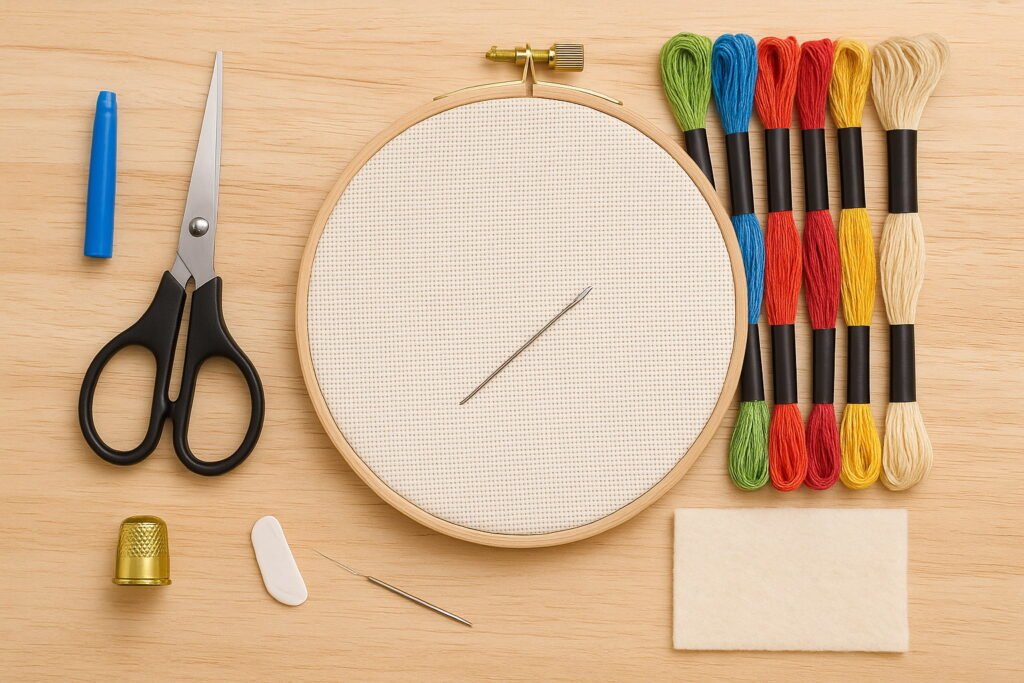
Minimum must-have list
This is your “non-negotiable” beginner kit:
| Item | Purpose |
| Embroidery needles (7–9) | Stitching |
| Small scissors | Cutting thread |
| Thimble | Finger protection |
| Seam ripper | Fix mistakes |
| 6–10 floss colors | Practice variety |
| Cotton fabric | Stitching surface |
| 6” hoop | Fabric tension |
This kit costs approximately $35–$60 USD and is enough to learn dozens of stitches and patterns.
Optional add-ons by needlecraft type
For embroidery:
- Transfer paper
- Pattern templates
- Satin stitch guide
For cross-stitch:
- Aida cloth
- Tapestry needles
- Gridded pattern paper
For basic sewing:
- All-purpose thread
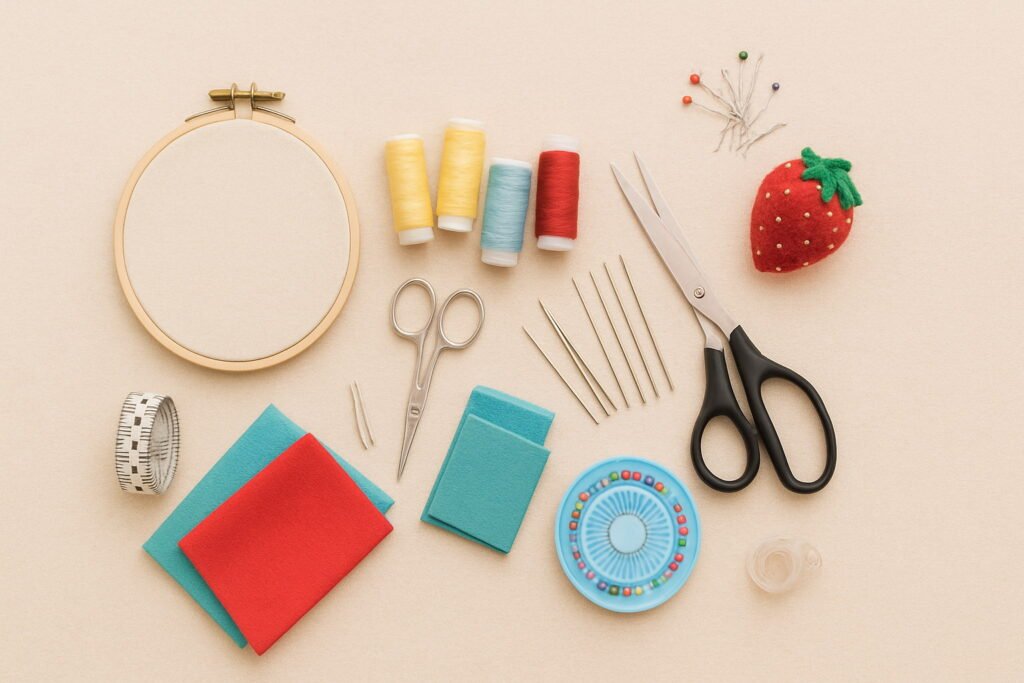
- Pins and pincushion
- Small measuring tape
Personalize your kit to match your chosen style.
Budget tiers for beginners
| Budget level | Approximate cost | Best for |
| Low | $30–$50 | Casual beginners |
| Medium | $70–$120 | Serious hobbyists |
| High | $150–$250 | Long-term crafters |
Spending more doesn’t mean better results — skill and practice matter most.
Smart buying strategy for beginners
- Start small and grow slowly
- Upgrade one item at a time
- Prioritize comfort and quality
- Avoid buying duplicates
- Watch reviews and tutorials
This approach saves money and keeps your kit organized from the beginning.
Final Thoughts on Choosing the Best Needlecraft Tools for Complete Beginners
Starting needlecraft is not about perfection. It’s about learning, enjoying the process, and building confidence stitch by stitch. With the best needlecraft tools for complete beginners, your journey becomes smoother, more creative, and far more satisfying.
Key reminders for new crafters
- Focus on comfort over complexity
- Master the basics before upgrading
- Treat mistakes as part of learning
- Keep your tools clean and organized
- Stitch regularly instead of rushing
Quote to remember:
“Great makers aren’t born — they are made one stitch at a time.”
If you ever feel unsure about the right beginner tools or techniques, organizations like the Craft Yarn Council offer excellent educational resources and standards that guide beginners worldwide in choosing quality materials and beginner-friendly practices:
https://www.craftyarncouncil.com
Your next step
The only tool missing now is action. Choose a simple project — maybe a small flower, a heart, or your initials — and put your best needlecraft tools for complete beginners to good use.
Every expert was once a beginner. Your first stitch is the start of something handmade and unforgettable ✂️🧵