DIY home decor ideas using natural soft textures have become a defining element of modern interiors that prioritize comfort, mindfulness, and authenticity. Homes today are no longer styled just to look good; they are shaped to feel good. Natural soft textures help achieve that balance by adding warmth without visual heaviness and character without clutter.
Natural soft textures refer to materials derived from nature that feel gentle to the touch and visually soothing. Fabrics like linen, cotton, wool, jute, and muslin soften hard architectural lines and bring an organic rhythm into living spaces. When used in DIY home decor projects, these materials allow homeowners to personalize their environment while staying budget-conscious and environmentally aware.
“Texture is the quiet detail that makes a space feel finished.”
— Interior styling principle used by professional designers
DIY home decor ideas using natural soft textures also encourage creativity. Simple projects such as fabric wall hangings, cushion covers, or table runners can dramatically transform a room without major renovations. The focus stays on tactility, comfort, and subtle visual depth rather than bold patterns or heavy ornamentation.
In This Article
Benefits of Using Natural Soft Textures in DIY Home Decor
Natural soft textures do more than decorate a room; they influence how a space is experienced emotionally and physically. Research in interior psychology shows that soft, organic materials help reduce visual stress and create a sense of calm, making them ideal for living rooms, bedrooms, and reading corners.
Key benefits of DIY home decor ideas using natural soft textures include:
- Improved comfort: Soft fibers absorb sound and reduce echo, creating quieter, more peaceful rooms
- Visual balance: Natural textures soften sharp furniture edges and glossy surfaces
- Sustainability: Many natural fabrics are biodegradable and renewable
- Timeless appeal: Neutral textures age better than trend-based decor
- DIY flexibility: Easy to cut, stitch, knot, or layer for handmade projects
Emotional and Functional Impact
| Aspect | Effect on Living Space |
| Soft textures | Promote relaxation and warmth |
| Natural fibers | Improve indoor comfort and breathability |
| Handmade decor | Adds personality and story |
| Neutral tones | Encourage visual harmony |
Case studies from small-apartment styling show that introducing textured throws, linen curtains, or woven accents can make compact spaces feel up to 20–30% more inviting without increasing visual clutter. Natural soft textures work especially well in minimalist and Scandinavian-inspired interiors, where simplicity and comfort go hand in hand.
Texture-driven decor proves that comfort does not require excess.
Popular Natural Soft Materials for DIY Home Decor Ideas Using Natural Soft Textures
Choosing the right material is the foundation of successful DIY home decor ideas using natural soft textures. Each fabric brings a unique look, feel, and function, making it important to match materials with the room’s purpose.
Most commonly used natural soft materials
Cotton
- Breathable, affordable, and easy to work with
- Ideal for cushion covers, wall art, and table linens
- Suitable for beginners due to durability
Linen
- Light, airy, and slightly textured
- Perfect for curtains, throws, and pillow covers
- Creates a relaxed, lived-in aesthetic
Wool
- Warm and insulating with rich texture
- Works well for wall hangings and accent blankets
- Best for cooler climates or cozy rooms
Jute and Hemp (Soft Weaves)
- Earthy appearance with gentle texture when finely woven
- Ideal for runners, fabric baskets, and layered decor
- Adds natural contrast to smooth surfaces
Material Selection by Room Type
| Room | Recommended Textures |
| Living room | Linen, cotton, soft wool |
| Bedroom | Cotton, muslin, quilted fabrics |
| Dining area | Linen runners, cotton placemats |
| Small spaces | Lightweight cotton and linen |
Material choice influences not only aesthetics but also maintenance and longevity. Pre-washed fabrics reduce shrinkage, while undyed or naturally dyed textiles maintain an authentic look that complements DIY home decor ideas using natural soft textures beautifully.
DIY Textile Wall Decor Using Natural Soft Textures
DIY home decor ideas using natural soft textures truly shine when applied to walls. Hard, empty walls often make a room feel cold or unfinished, while soft textile elements instantly add depth, warmth, and personality. Textile wall decor also absorbs sound, improving the overall comfort of a living space.
Popular DIY textile wall decor ideas
Fabric Wall Hangings
Natural fabrics like linen, cotton, or muslin can be transformed into elegant wall hangings with minimal tools. Wooden dowels, branches, or bamboo rods pair beautifully with soft textiles, creating an organic focal point.
Best practices for fabric wall hangings:
- Choose neutral or earth-tone fabrics to maintain visual calm
- Use uneven edges or subtle fraying for a relaxed look
- Layer two or three fabrics with different textures for depth
Woven and Knotted Textile Panels
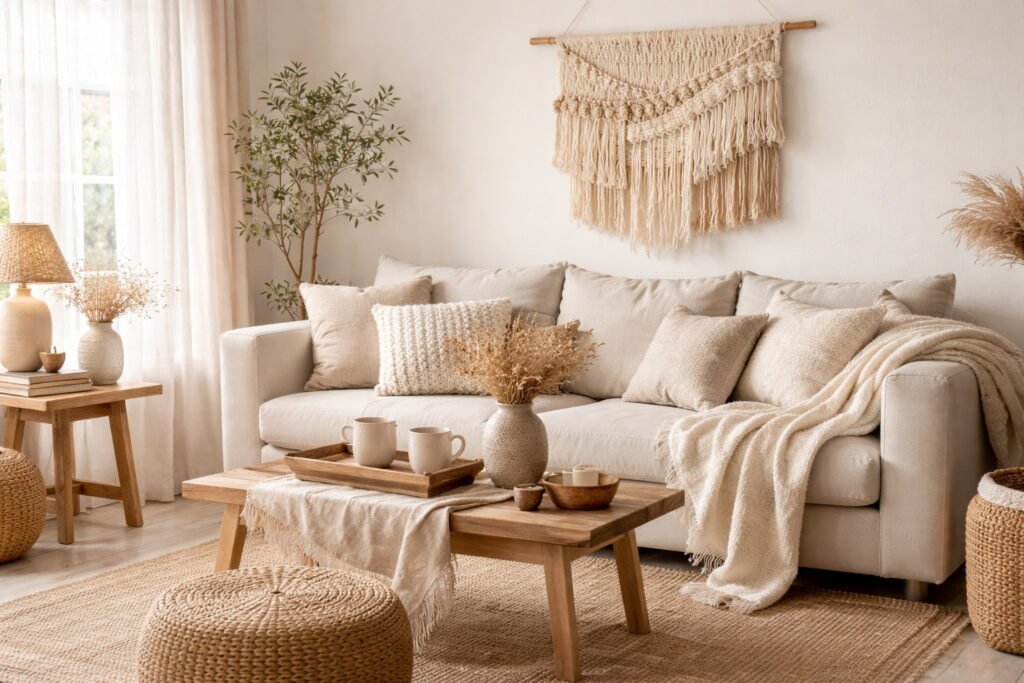
Macramé-inspired panels using soft cotton cord or wool yarn add dimension without overwhelming a room. These pieces work especially well above sofas, beds, or reading nooks.
“Walls don’t need artwork alone—texture can tell a story just as powerfully.”
Textile Framing
Soft fabrics framed inside wooden frames offer a minimalist approach to wall decor. This idea works well for small spaces where large hangings may feel heavy.
Where textile wall decor works best
| Area | Suggested Texture |
| Living room | Linen panels, cotton wall hangings |
| Bedroom | Soft wool, quilted fabric art |
| Entryway | Lightweight woven textures |
Textile wall decor proves that DIY home decor ideas using natural soft textures can be both artistic and functional, creating visual interest while maintaining comfort.
Handmade Cushion and Pillow Ideas with Natural Soft Textures
Cushions and pillows remain one of the most effective ways to introduce natural soft textures into any interior. These DIY projects are approachable, cost-effective, and highly customizable, making them ideal for beginners and experienced crafters alike.
Choosing the right fabrics for cushions
- Linen: Ideal for a relaxed, breathable look
- Cotton canvas: Offers structure while remaining soft
- Wool blends: Add warmth and tactile richness
Mixing textures rather than patterns keeps cushions visually interesting without overwhelming the space. Subtle differences in weave, thickness, and finish create depth naturally.
Simple DIY cushion ideas
Envelope-Style Pillow Covers
No zipper required, making this design beginner-friendly. Soft cotton or linen works best for everyday use.
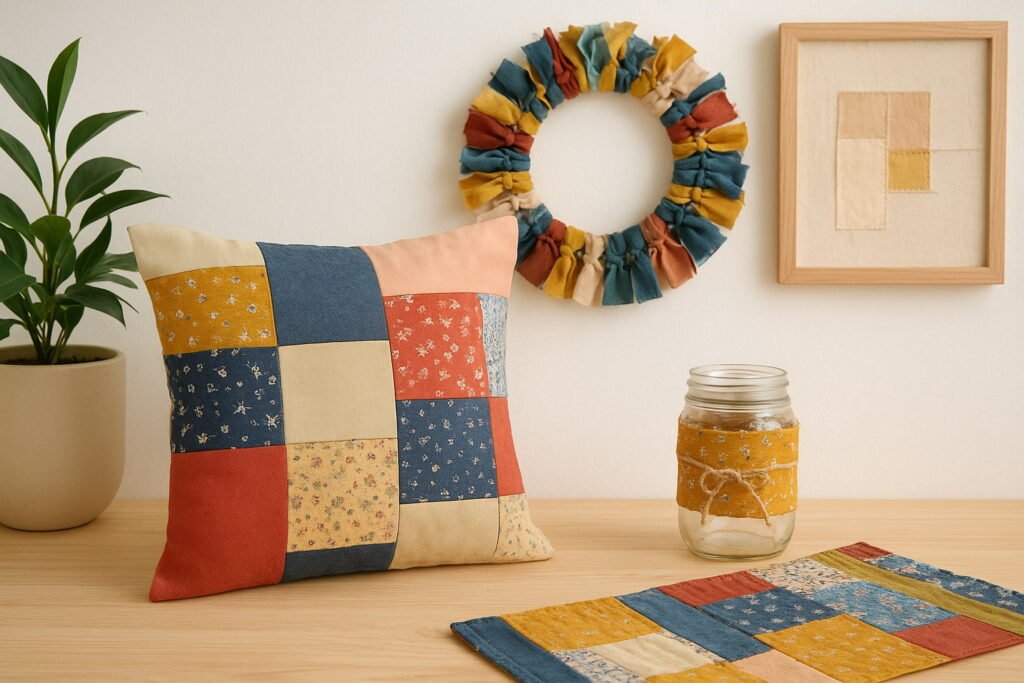
Textured Panel Cushions
Combining two or three natural fabrics on one cushion cover adds contrast while keeping a neutral palette.
Hand-Stitched Details
Running stitches, tassels, or soft fringe enhance cushions without adding visual noise.
Texture combinations that work well
| Main Fabric | Accent Texture | Result |
| Linen | Soft wool trim | Cozy and refined |
| Cotton | Muslin overlay | Light and airy |
| Canvas | Frayed edges | Casual and warm |
Cushions created using DIY home decor ideas using natural soft textures help anchor seating areas, making sofas, chairs, and beds feel intentionally styled rather than simply furnished.
DIY Curtains and Window Treatments Using Natural Soft Textures
Window treatments play a critical role in how light interacts with a room. DIY home decor ideas using natural soft textures for curtains focus on softness, movement, and natural light diffusion rather than heavy coverage.
Best fabrics for soft window treatments
- Linen: Filters sunlight beautifully while maintaining privacy
- Cotton voile: Lightweight and ideal for small or bright rooms
- Muslin: Creates a soft, cloud-like effect when layered
DIY curtain styles that enhance natural texture
Simple Rod-Pocket Curtains
Easy to sew and perfect for showcasing fabric texture. Slight wrinkles in linen or cotton add character rather than looking unfinished.
Layered Sheer and Solid Panels
Pairing sheer cotton with heavier linen adds depth and allows flexible light control.
Soft Fabric Tie-Backs
DIY tie-backs made from braided cotton or fabric strips keep the look cohesive and natural.
How texture affects lighting
| Fabric Type | Light Effect |
| Linen | Soft diffusion |
| Cotton voile | Bright and airy |
| Muslin layers | Warm glow |
Curtains made from natural soft textures help create a calming atmosphere, proving that functional elements can also serve as beautiful DIY decor.
DIY Table and Surface Decor with Natural Soft Textures
Tables and flat surfaces often feel visually harsh due to wood, glass, or stone finishes. DIY home decor ideas using natural soft textures help soften these areas while keeping them practical and easy to style. Subtle textile layers can instantly elevate dining tables, coffee tables, and consoles without interfering with daily use.
Essential DIY soft-texture table decor ideas
Fabric Table Runners
Natural linen or cotton runners add warmth and structure to dining and coffee tables. Slight wrinkles and visible fiber texture enhance the organic look rather than detract from it.
Styling tips for fabric runners:
- Choose neutral shades like beige, oatmeal, or soft gray
- Let edges drape naturally instead of measuring precisely
- Pair with ceramic or wooden accessories for balance
Textile Placemats and Coasters
Handmade placemats using cotton or soft jute blends protect surfaces while adding visual interest. Layering placemats over runners creates depth without clutter.
Soft Fabric Trays and Baskets
Fabric-lined trays made from cotton canvas or quilted textiles work well for organizing remotes, books, or candles on coffee tables.
Best surface decor by area
| Surface | Recommended Texture |
| Dining table | Linen runners, cotton placemats |
| Coffee table | Fabric-lined trays |
| Console table | Soft baskets, folded textiles |
Table decor using DIY home decor ideas using natural soft textures keeps functional surfaces warm and inviting, blending everyday use with intentional design.
DIY Home Decor Ideas Using Natural Soft Textures for Bedroom
Bedrooms benefit the most from natural soft textures because they directly impact rest and relaxation. DIY home decor ideas using natural soft textures help transform bedrooms into calming retreats without expensive upgrades.
Textile-focused bedroom DIY projects
Soft Fabric Headboards
Creating a padded headboard using cotton batting and linen fabric introduces comfort and texture behind the bed. Neutral tones maintain a serene atmosphere while adding visual height.
Layered Bedding and Throws
Layering quilts, cotton blankets, and lightweight wool throws adds dimension and comfort. Each layer serves a purpose while enhancing the room’s overall softness.
“A well-layered bed feels welcoming before anyone even sits down.”
DIY Bedside Accents
Small textile details like fabric lamp shades, padded stools, or woven bedside baskets subtly reinforce the soft-texture theme.
Texture layering for better sleep
| Layer | Material |
| Base bedding | Cotton or muslin |
| Mid layer | Quilted fabric |
| Top layer | Linen or wool throw |
Bedrooms styled with DIY home decor ideas using natural soft textures promote relaxation, reduce visual stress, and create a sense of intentional comfort.
Easy DIY Home Decor Ideas Using Natural Soft Textures for Small Spaces
Small spaces require thoughtful design choices, and natural soft textures offer warmth without overwhelming limited square footage. DIY home decor ideas using natural soft textures help compact homes feel cozy yet open.
Smart texture solutions for small rooms
Lightweight Wall Textiles
Thin cotton wall hangings or framed fabric art add texture without taking up floor space.
Multi-Functional Soft Decor
Fabric storage baskets, padded ottomans, and foldable textile screens provide both utility and softness.
Vertical Texture Styling
Hanging fabric panels or soft textile garlands draws the eye upward, creating the illusion of height.
What to avoid in small spaces
- Heavy, dark fabrics that absorb too much light
- Over-layering multiple thick textures in one area
- Busy patterns that disrupt visual flow
Best natural textures for small interiors
| Fabric | Why It Works |
| Cotton | Lightweight and breathable |
| Linen | Reflects light softly |
| Muslin | Adds texture without bulk |
Small-space styling shows that DIY home decor ideas using natural soft textures can enhance comfort while maintaining openness and simplicity.
Color Palettes That Enhance DIY Home Decor Ideas Using Natural Soft Textures
Color plays a crucial role in how natural soft textures are perceived. The right palette allows textures to stand out without overpowering a space. DIY home decor ideas using natural soft textures work best when colors remain subtle, layered, and inspired by nature.
Best color families for soft-texture decor
Earth Neutrals
Shades such as sand, clay, warm taupe, and soft brown highlight the organic quality of natural fibers. These tones work especially well with linen, cotton, and jute.
Warm Whites and Creams
Off-white, ivory, and cream tones allow texture to become the focal point rather than color. Slight variations within the same shade create depth without contrast.
Muted Botanical Hues
Soft sage, eucalyptus green, dusty blue, and faded terracotta complement natural fabrics while maintaining a calm atmosphere.
How color affects texture perception
| Color Type | Visual Effect on Texture |
| Warm neutrals | Enhance softness and warmth |
| Cool muted tones | Add calm and balance |
| High-contrast colors | Reduce texture visibility |
Maintaining a restrained palette ensures that DIY home decor ideas using natural soft textures feel cohesive and timeless rather than trend-driven.
Care and Maintenance of Natural Soft Texture DIY Decor
Proper care preserves both the beauty and longevity of natural soft textures. DIY decor often lasts longer when materials are chosen thoughtfully and maintained with intention.
General care guidelines
Cleaning natural fabrics
- Cotton and linen perform best with gentle machine washing or hand washing
- Wool requires cold water and minimal agitation
- Air-drying prevents shrinkage and fiber damage
Preserving softness
Avoid fabric softeners, as they coat fibers and reduce breathability. Natural alternatives such as white vinegar during rinsing help maintain softness without residue.
Maintenance by material
| Material | Care Tip |
| Linen | Embrace wrinkles for natural charm |
| Cotton | Wash with mild detergent |
| Wool | Spot clean and air regularly |
| Jute blends | Keep dry and vacuum gently |
Rotating decor items seasonally reduces wear while refreshing the overall look. Well-maintained textures age gracefully, adding character over time rather than losing appeal.
Conclusion: Bringing Comfort Home with DIY Natural Soft Texture Decor
DIY home decor ideas using natural soft textures offer a meaningful way to create interiors that feel warm, grounded, and personal. These textures soften modern living, balance hard surfaces, and encourage a slower, more mindful approach to design.
From textile wall art and cushions to curtains, table decor, and bedroom accents, each DIY project contributes to a layered and cohesive home. Natural materials bring authenticity, while handmade elements add story and individuality.
“A home built on comfort always feels intentional.”
By focusing on material quality, thoughtful color palettes, and simple maintenance, DIY home decor ideas using natural soft textures remain beautiful and functional for years. Texture, when used with care, transforms a house into a welcoming sanctuary.
For further reading on sustainable natural fibers used in home interiors, explore this resource from The Textile Exchange:👉 https://textileexchange.org